
Table of Contents
What Is the Common App
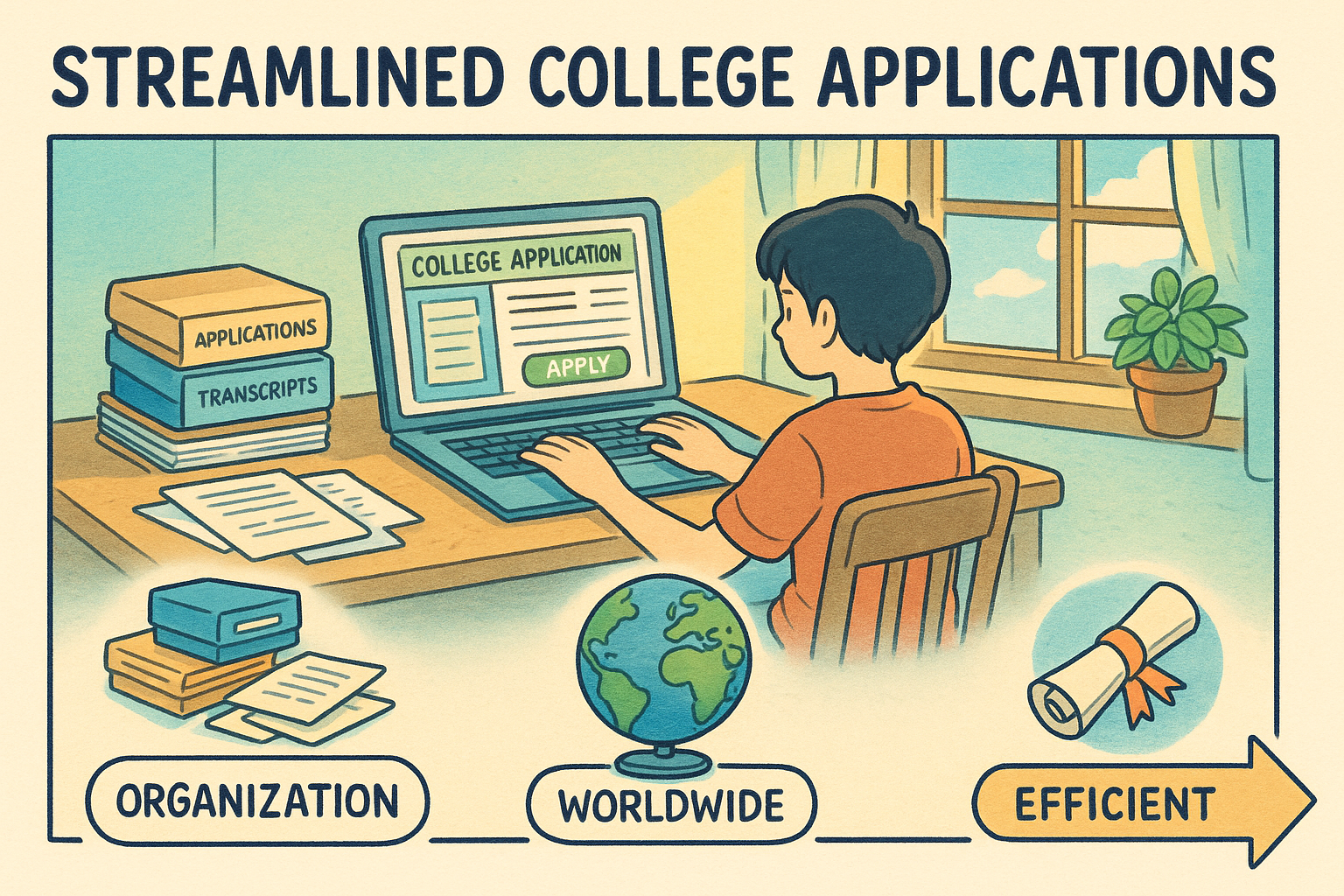
The Common Application—or Common App as most students call it—is basically your one-stop shop for college applications. Instead of filling out the same information dozens of times, you can apply to over 900 colleges worldwide using this single platform.
Launched back in 1975 with just 15 colleges, the Common App has grown into the go-to application method for millions of students each year. It officially opens on August 1st each year, which kicks off application season for the following academic year.
What I love about the Common App is how it transforms what would otherwise be an overwhelming mess of separate applications into one streamlined process. You enter your information once, then customize certain elements for each school on your list. Trust me, when you're juggling senior year coursework, extracurriculars, and the general stress of college planning, this simplification is a lifesaver.
The platform lets you manage everything from personal information and academic history to extracurricular activities and essays. You'll still need to complete school-specific supplements for many colleges, but the core application remains consistent across all your schools. For a comprehensive overview of the college application steps beyond just the Common App, see our College Application Guide For Successful University Admissions.
Benefits of Using the Common App
Using the Common App comes with several game-changing advantages that make the college application process much more manageable. Let's break down why so many students choose this platform. For a detailed comparison of admissions strategies, platforms, and approaches that go beyond the Common App, check out Understanding the College Admissions Process Step by Step.
Streamlined Application Process
The biggest win with the Common App is how it streamlines everything. You only need to enter your personal and academic information once, rather than repeating it for each college application. This includes all your personal details, family information, educational background, test scores, and those activities and honors you've worked so hard to accumulate.
You know how tedious it is to fill out forms with the same information over and over? The Common App eliminates that frustration entirely. Once you've entered your core information, it's automatically populated across all your applications. This means you can focus your energy on the unique aspects of each application rather than retyping your address for the tenth time.
Time Saving Features
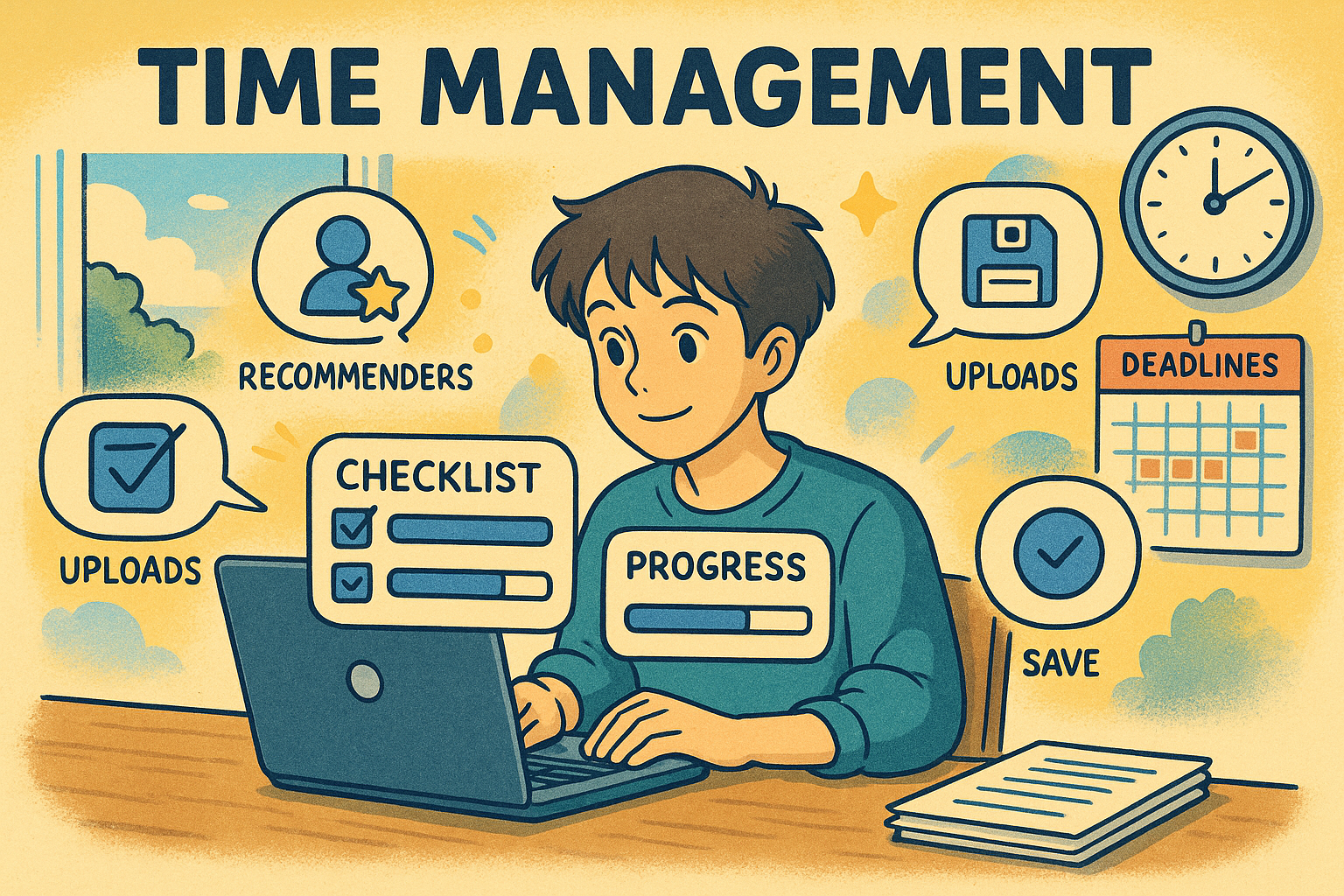
During your busy senior year, time becomes your most precious resource. The Common App offers several features that save valuable hours when you're balancing schoolwork, extracurriculars, and college applications.
The platform lets you invite and track recommenders all in one place. You can upload documents directly, track your progress for each application, and the auto-save functionality means you won't lose your work if your computer crashes or your internet connection drops. These might seem like small conveniences, but they add up to significant time savings during application season.
I've found that students who use the Common App typically spend about half the time on applications compared to those completing separate forms for each school. That's extra time you can use for polishing essays or simply maintaining your sanity during this stressful period.
Centralized Document Submission
Another huge benefit is having all your application materials managed from a single dashboard. Your transcripts, test scores, recommendation letters, personal statements, supplemental essays, and even application fee payments or waiver requests—all handled in one place.
This centralization creates a clear overview of what you've submitted and what's still pending. You can easily see which recommenders have submitted their letters and which colleges have received all your materials. This visibility helps ensure nothing falls through the cracks during the application process.
The peace of mind that comes from this organization is invaluable. Rather than juggling multiple logins, deadlines, and submission systems, everything is neatly arranged in your Common App dashboard. For students applying to multiple schools, this centralized approach can be the difference between a smooth application experience and a chaotic one. For more tips on keeping your application process organized and timeline-driven, use our College Application Timeline Guide for a Successful Admissions Journey.
Common App Components A Detailed Breakdown
Let's dive into the nitty-gritty of what makes up the Common App. Understanding each component will help you navigate the platform more effectively and create a stronger application overall. If you're looking for inspiration or examples of these components (including essays, activities, and more), take a look at College Application Examples To Inspire Your Successful Submission.
Essays and Personal Statements
The Common App essay is your opportunity to share your voice and personality with admissions committees. You'll choose one of seven prompts (including an "open topic" option) and write an essay with a maximum length of 650 words. This essay remains the same for all schools on your list.
Your essay should reveal something meaningful about you that isn't evident elsewhere in your application. Think of it as your chance to sit down with the admissions committee and tell them a story that helps them understand who you are.
Beyond the main Common App essay, many colleges require supplemental essays specific to their institution. These are typically found in each college's section of your Common App and often include prompts like "Why this college?" or questions related to your intended major. These supplemental essays require customization for each school and are your opportunity to demonstrate why you're a perfect fit for that specific institution. For more in-depth analysis and working examples, visit our Common App Essay Examples To Inspire Your College Application Success and check the latest Common App Essay Prompts Expert Guide For Powerful College Applications.
Letters of Recommendation
Most colleges require letters of recommendation from your school counselor and 1-2 teachers. Some may also accept additional letters from coaches, employers, or other mentors who know you well.
The Common App makes managing recommendations straightforward by allowing you to invite recommenders electronically and track when their letters have been submitted. This feature eliminates the anxiety of wondering whether your recommendations have been sent.
When selecting recommenders, choose teachers who know you well and can speak specifically about your academic abilities, work ethic, and personal qualities. Ideally, select teachers from core academic subjects who have taught you recently and can provide detailed examples of your classroom contributions and growth. A generic recommendation from a teacher who barely knows you won't strengthen your application, even if they gave you an A in their class. For a step-by-step approach on choosing and coordinating recommendations—and all key requirements—refer to the College Application Guide For Successful University Admissions.
Common App Timeline and Deadlines
Understanding the Common App timeline is crucial for staying on track with your applications. Let's break down the key dates and deadlines you need to know. For a complete admissions calendar and key strategies for every month, see our Your College Application Timeline Guide to Planning and Success.
Early Decision and Regular Decision Deadlines
Colleges offer different application plans with varying deadlines that you should understand before mapping out your strategy. Early Decision (ED) is a binding agreement to attend if accepted and typically has November deadlines. This option is best if you have a clear first-choice school and are prepared to commit if admitted.
Early Action (EA) is a non-binding early application option, usually with November deadlines as well. This allows you to receive an early decision without the commitment required by ED plans. Regular Decision (RD) follows the standard application timeline with deadlines in January or February and offers the most flexibility.
Some schools also offer Rolling Admission, where applications are reviewed as they arrive until all spots are filled. For these schools, applying earlier generally improves your chances of admission. Discover rolling admissions benefits and strategies for a stress-free college application process if you're curious about how rolling cycles work and how to leverage them.
The table below presents the different types of application plans, their typical deadlines, and decision timelines to help you organize your strategy:
Early Decision and Regular Decision Deadlines
| Application Plan | Typical Deadlines | Binding? | Decision Timeline |
|---|---|---|---|
| Early Decision | November 1 or 15 | Yes | Mid-December |
| Early Action | November 1 or 15 | No | Mid-December |
| Regular Decision | January 1 or 15 | No | Late March/April |
| Rolling Admission | Varies | No | 4-8 weeks after submission |
Typical deadlines and commitments for various college application plans.
Importance of Adhering to Deadlines
Meeting application deadlines is absolutely non-negotiable in the college admissions process. The Common App system records submission times down to the minute, and most colleges do not accept late applications. Technical difficulties are rarely considered valid excuses for late submissions, so I strongly recommend submitting at least 24-48 hours before deadlines to avoid last-minute technical issues.
A planning strategy that's helped many of my students: Create a spreadsheet with all your target schools' deadlines and requirements to stay organized. Include columns for application deadlines, recommendation due dates, interview requirements, and any special portfolio or audition submissions.
Remember that "submitted" doesn't always mean "complete." Your application isn't considered complete until all components—including recommendations, test scores, and transcripts—have been received. Some of these elements are outside your direct control, so build in buffer time for everything to arrive before the deadline. For an in-depth breakdown of how deadlines fit into the overall application process, check out College Application Deadlines Explained for a Successful Admissions Journey.
Common App for Transfer Students
The Common App isn't just for first-year applicants—it's also a valuable tool for students looking to transfer between institutions. However, there are some key differences in the transfer application process that you should understand. For a comprehensive walkthrough of the transfer process and specific tips, see Transfer Application Success Guide For Undergraduate And Graduate Admissions.
Common Mistakes to Avoid on the Common App
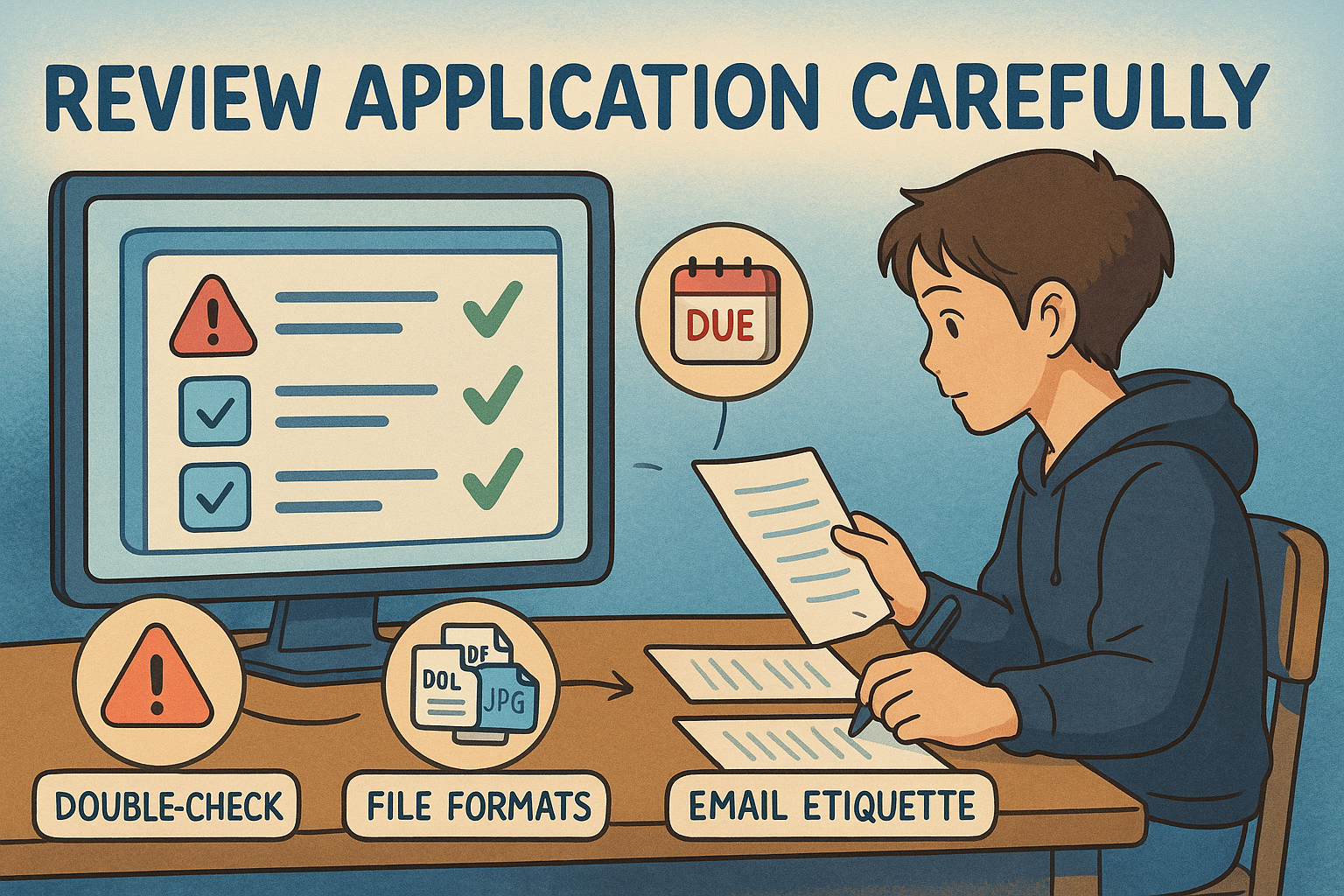
Even the most prepared students can make errors that impact their applications. Here are the most common mistakes to avoid during the application process.
Technical errors can derail your application at the last minute. Waiting until the last minute is a recipe for disaster—server slowdowns are common near deadlines as thousands of students submit simultaneously. Using unsupported browsers can cause formatting issues or submission errors, so stick to Chrome, Firefox, or Safari for optimal performance. Failing to save regularly is risky since the system times out after inactivity, potentially losing your work. Be careful about uploading incorrect file formats, as the system only accepts specific formats for documents.
Content mistakes can weaken your application's impact. Inconsistent information across different sections or between your application and transcript suggests carelessness. Grammatical and spelling errors throughout your application create a negative impression about your attention to detail. Generic essays that could apply to any college don't demonstrate your specific interest in each school. Exceeding character limits means your text will be cut off, potentially losing important information. Using an inappropriate email address (like [email protected]) appears unprofessional in all college communications.
Strategic errors can limit your opportunities. Applying to too few schools (less than 6) or too many (more than 12) can be problematic—aim for a balanced list of 6-10 schools across reach, target, and safety categories. Missing supplemental requirements specific to certain colleges can disqualify an otherwise strong application. Neglecting to demonstrate interest in each school through customized essays and applications may hurt your chances at colleges that track demonstrated interest. Submitting identical supplemental essays for different schools is obvious to admissions officers who read thousands of "Why this college?" essays. Misunderstanding deadlines can lead to late submissions—confirm whether deadlines are by midnight in your time zone or the college's.
The most critical reminder: Once submitted, you cannot edit your Common App for a specific college, so thorough review is essential before submission. I've seen students devastated after discovering errors they can't correct after submission, so take the time to review everything carefully. For examples of outstanding applications (and what to avoid), read Successful College Applications Examples And Strategies That Work.