
Table of Contents
- Why a College Admissions Calendar Matters
- Junior Year Laying the Foundation
- Junior Year Gaining Momentum
- Summer Before Senior Year Critical Preparation
- Senior Year Application Season Begins
- Senior Year PostApplication Period
- Final DecisionMaking and Enrollment
- Summer Before College Final Preparations
- Comprehensive College Admissions Timeline
- Special Considerations for Different Application Types
Why a College Admissions Calendar Matters
Creating and following a college admissions calendar isn't just about staying organized—it's about giving yourself the best shot at getting into your dream schools. I've seen firsthand how students who plan ahead tend to submit stronger applications. Admissions officers are increasingly looking for students who can demonstrate planning skills and attention to detail, and your ability to meet deadlines speaks volumes about how you'll perform as a college student.
A well-structured timeline does so much more than keep you on track. It helps you avoid those panic-inducing last-minute rushes that inevitably lead to mistakes. You'll have enough time to thoughtfully complete each part of your application, which reduces stress during what's already a challenging time. Plus, you won't miss those critical financial aid deadlines that could literally be worth thousands of dollars. When you plan carefully, you create stronger applications that truly showcase who you are.
For further details on why a timeline is crucial, check out our comprehensive guide to mastering the college admissions timeline.
Let's break this whole process down into manageable chunks, organized by timeframe, so you can navigate your college journey with confidence instead of confusion.
Junior Year Laying the Foundation
The fall of junior year marks the beginning of your active college preparation journey. This is when you should start creating a game plan for standardized tests and begin exploring potential colleges.
Standardized Testing Schedules and Preparation
Junior fall is the perfect time to map out your testing strategy. You'll want to register for your first SAT or ACT, aiming for winter or spring testing dates. Start prepping through practice tests, study groups, or formal courses—whatever fits your learning style. Research which tests your target schools actually want to see, and don't forget to consider SAT Subject Tests if they align with your academic strengths.
Most college admissions experts suggest taking your first standardized test in spring of junior year. This gives you breathing room to retake in fall of senior year if needed. Students who take these tests multiple times typically see their scores improve, which can make a real difference in your admissions chances.
For a month-by-month action plan, see the college application timeline guide for task breakdowns and advice on when to tackle each milestone.
For national resources, see myfuture.com.
Initial College Research and List Building
While you're planning your testing schedule, it's also time to start building your college list. Begin researching schools based on what matters to you—academic programs, location, size, and campus culture. Use online resources to create an initial list of 15-20 potential schools, and start categorizing them as reach, target, and safety options based on admissions statistics.
Start tracking application deadlines and requirements for schools that interest you. A simple spreadsheet or digital document works wonders for organizing all this information. You'll thank yourself later for being so organized!
For advice on building a well-rounded college list and understanding the admissions process, visit our College Application Guide for Successful University Admissions.
Students today are applying to more colleges than ever before—the average applicant submits 7-10 applications. Starting your research early lets you thoughtfully narrow down your choices rather than frantically adding schools at the last minute.
Junior Year Gaining Momentum

As winter transitions to spring of junior year, it's time to deepen your college exploration through campus visits and secure those all-important recommendation letters.
Campus Visits and Virtual Tours
Spring is perfect for experiencing colleges firsthand. Try to schedule visits during school breaks or weekends, and make the most of your time by attending official tours, sitting in on classes when possible, and meeting with professors or students in your areas of interest. Always take detailed notes after each visit—trust me, the details will blur together after you've seen a few campuses!
Can't visit in person? No problem. Virtual tours have become incredibly sophisticated. Many schools now offer interactive online experiences that give you a genuine feel for campus life and facilities. These virtual options can be surprisingly effective when in-person visits aren't practical.
Check the step-by-step guide to the college admissions process for strategies to maximize your campus visits and demonstrate interest.
Interestingly, campus visits (whether virtual or in-person) remain one of the strongest indicators of "demonstrated interest," which many colleges consider when making admissions decisions. Schools want to admit students who are likely to enroll, and showing up—even virtually—signals your enthusiasm.
More advice on timelines from deerfield.edu.
Recommendation Letter Requests
Spring of junior year is the sweet spot for thinking about who will write your recommendation letters. Look for teachers who know you well and can speak specifically about your academic abilities. When possible, request letters from teachers in subjects related to your intended major.
Before you ask, prepare a "brag sheet" highlighting your accomplishments and contributions to their class. This gives your recommenders concrete examples to include. Make your formal requests before summer break begins, and always follow up with a thank-you note.
For best practices, read our detailed month-by-month application timeline that tells you exactly when to ask for letters and how to follow up.
Thoughtful, specific recommendation letters can significantly strengthen your application. Giving teachers plenty of advance notice shows respect for their time and typically results in more detailed, personalized letters that will help you stand out.
Summer Before Senior Year Critical Preparation
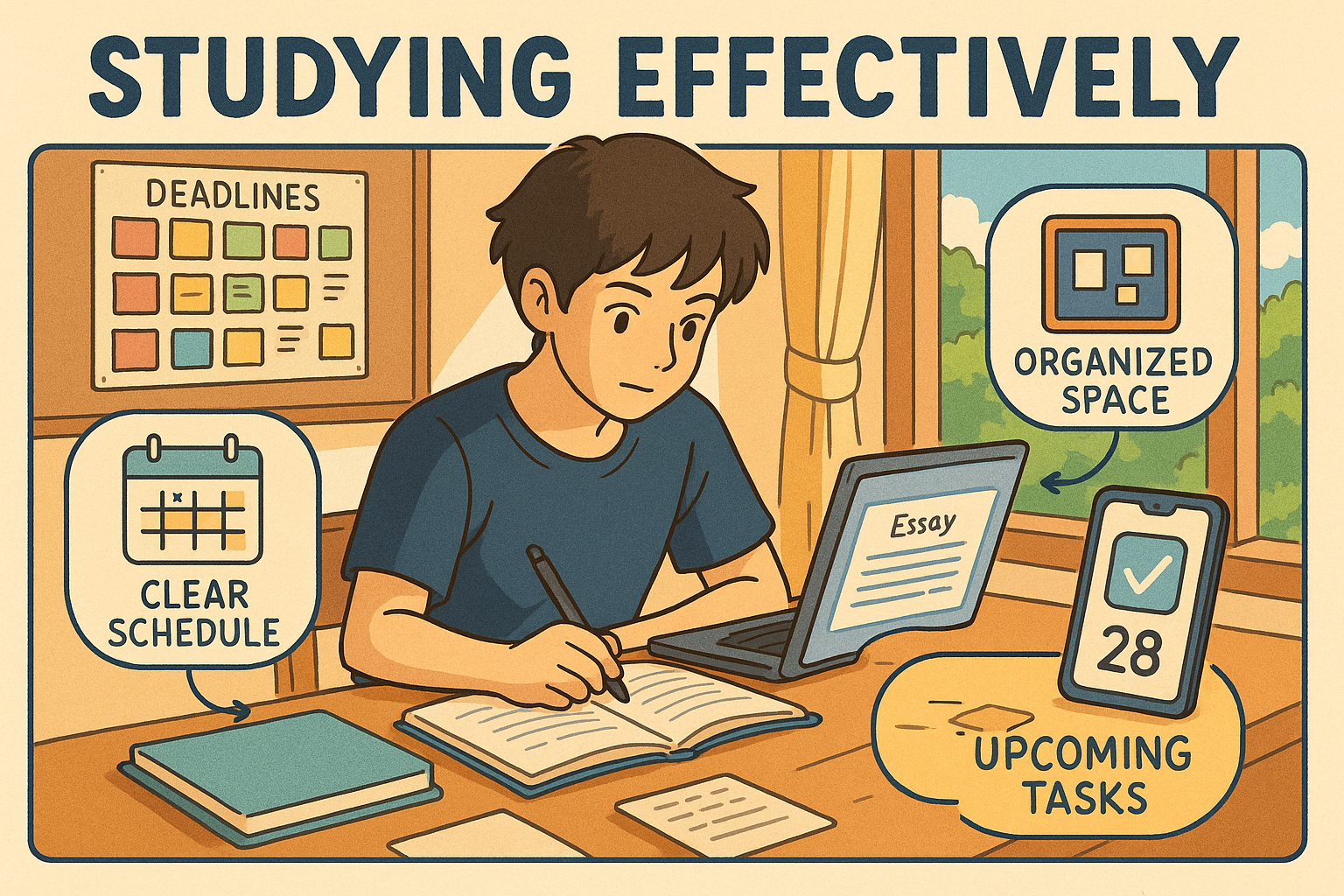
The summer before senior year offers a precious window for focused college application work without the competing demands of schoolwork. Use this time wisely to develop your essays and set up your application infrastructure.
Essay Development and Personal Statement
Summer is the ideal time to tackle those college essays. Start by researching essay prompts for the Common Application and any other applications you'll be using. Spend time brainstorming potential topics that genuinely showcase your personality and experiences—the best essays reveal something about you that isn't obvious from the rest of your application.
Enhance your writing with actionable tips from successful college essay strategies that get you noticed as you draft your personal statement and supplements.
Draft your personal statement and get feedback from people you trust. Then begin working on those supplemental essays for your top-choice schools. Create a revision schedule that gives you plenty of time to refine your writing before applications open.
You know what? College admissions officers consistently say that authentic, reflective essays stand out in the application process. Students who begin their essays during summer submit stronger applications and experience way less stress during the fall application season. Your future self will thank you for starting early!
If you want more sample topics or essay guidance, see our collection of Common App essay examples and supplemental essay tips.
Further timeline details at niche.com.
Application Portal Setup and Organization
Summer is also perfect for setting up your application infrastructure. Create accounts on the Common Application, Coalition Application, and any school-specific portals you'll need. Take time to familiarize yourself with each platform's interface and requirements—they're all a bit different.
Gather all the basic information you'll need across applications, like family details and academic history. Create a master calendar with all application deadlines clearly marked, and develop a system for tracking submission status for each school.
Application platforms continue to evolve, with more colleges joining common application systems each year. Setting up these accounts early lets you understand the technical requirements well before deadlines loom, preventing last-minute panic when you discover an unexpected essay or information requirement.
Senior Year Application Season Begins
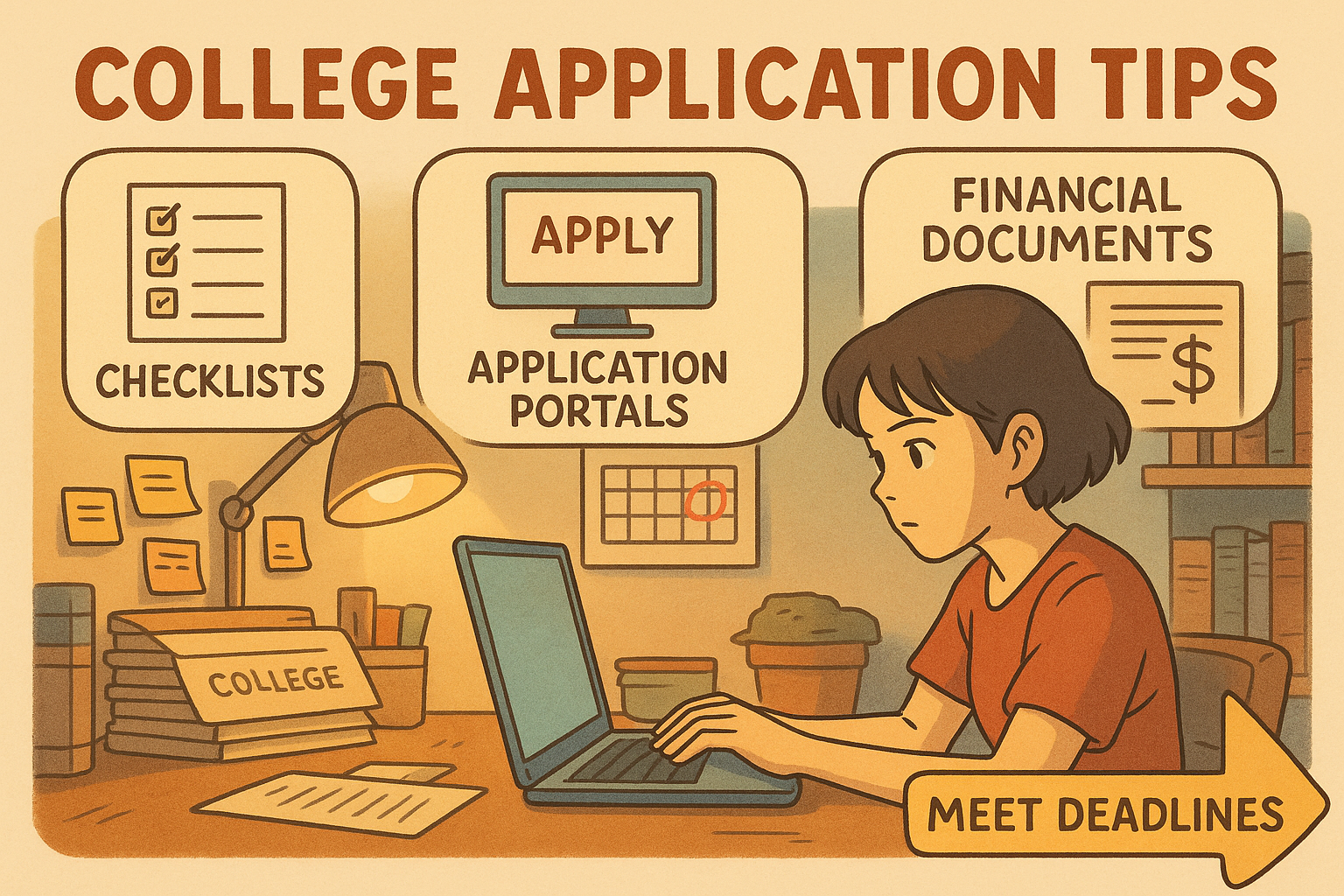
As senior year kicks off, the first major application deadlines approach quickly. This is when all your preparation starts to pay off, but you'll need to stay focused on several parallel tracks.
Early Decision and Early Action Deadlines
First, determine if Early Decision (binding) or Early Action (non-binding) options align with your goals. These early deadlines typically fall between November 1-15, so you'll want to complete applications at least a week before to allow for any technical issues.
If you're considering Early Decision, make sure you understand the commitment—it's a binding agreement to attend if accepted. Also be prepared for earlier financial aid application requirements if applying early.
For an in-depth look at ED pros, cons, and timelines, consult Master the Early Decision Application Process for College Success.
I've noticed a significant increase in early applications in recent years, with some selective colleges filling 50% or more of their incoming class through early rounds. This trend makes understanding early application strategies increasingly important for competitive applicants.
Deadline details at blog.prepscholar.com.
Financial Aid Submission Dates
Financial considerations are a critical part of the college application process. Complete the FAFSA as soon as possible after it opens on October 1—seriously, don't delay on this one. Research whether your schools require the CSS Profile (typically needed for private colleges) and note that these are usually due with your applications.
For financial planning, scholarships, and aid strategies, check out our College Financial Planning Strategies for 2024 and maximize your opportunities.
Identify school-specific financial aid deadlines, which may differ from application deadlines. This is also the time to research and apply for scholarships with fall deadlines. Start organizing financial documents you might need for verification processes.
Submitting financial aid applications early can positively impact your aid packages. Many colleges distribute aid on a first-come, first-served basis, making early submission advantageous. Don't leave money on the table by procrastinating!
More financial deadline information at bostonmagazine.com.
Regular Decision Application Deadlines
For most students, Regular Decision applications represent the majority of their college submissions. These deadlines typically fall between January 1-15, right after winter break. Complete applications at least two weeks before deadlines during this busy season—the Common App has been known to crash on deadline days!
Need clarity on all types of application deadlines? Our comprehensive guide to college application deadlines explains ED, EA, Regular, and even rolling options.
Verify that all supporting materials (test scores, transcripts, recommendations) have been received. Most application portals will show you what's missing, but don't assume everything is there without checking. Follow up with schools if application components are missing, and always keep copies of all submitted materials for your records.
Digital application systems have streamlined the process but also created new challenges. Technical issues tend to spike near major deadlines, making early submission even more important. Nothing's worse than staying up until midnight to submit, only to have the website crash at 11:58 PM!
Senior Year PostApplication Period
After applications are submitted, the waiting period begins. This time can feel strange—after months of intense work, suddenly there's nothing to do but wait. Here's how to navigate this period productively.
Decision Notification Dates and Response Strategy
Early Decision/Early Action results typically arrive in December, while Regular Decision notifications generally come between March 15-April 1. Waitlist notifications arrive with regular decisions, and financial aid packages usually accompany acceptance letters. Most schools require enrollment deposits by May 1, which is National College Decision Day.
Schools use various notification methods—some release decisions on specific dates, while others use rolling notification windows. Creating a system to track these dates helps manage anxiety during this period. I recommend avoiding constant email checking and instead setting specific times to look for updates.
For step-by-step decision strategies and how to handle waitlists, don't miss our Waitlist Strategy Tips to Maximize Your Admission Chances.
Comparing Financial Aid Offers
Once acceptances arrive, comparing financial aid packages becomes a critical task. Create a standardized format to compare offers across schools, looking beyond the bottom-line number. Identify the true cost of attendance beyond tuition, including housing, meals, books, and travel expenses.
If you're facing tough decisions between scholarships, grants, and loans, our comprehensive guide to financial planning for college will help you make sense of your offers and minimize student debt.
Make sure you distinguish between grants/scholarships (free money) and loans (which you'll repay) in each package. Consider appealing financial aid offers if your circumstances warrant it—many schools are willing to reconsider if you can demonstrate need or have competing offers.
Financial considerations are playing an increasingly important role in final college decisions. Understanding the nuances of financial aid packages can significantly impact your educational debt and future financial health. A school that offers a slightly less prestigious name but a much better financial package might be the wiser choice in the long run.
Final DecisionMaking and Enrollment
The spring of senior year offers a final opportunity to gather information before making your decision. This is when all your research and preparation culminate in one of the biggest choices of your life so far.
Campus Revisits and Decision Factors
If possible, attend admitted student events, which offer a different perspective than your initial visits. You'll be seeing the campus as someone who belongs there, not just as a prospective student. Revisit top-choice campuses with your acceptance in mind, and connect with current students or alumni to answer lingering questions.
Consider both academic fit and campus culture in your decision. Will you thrive in this environment? Does the school offer the specific programs, research opportunities, or extracurriculars that matter to you? Weigh financial considerations carefully against other factors—sometimes the best financial offer doesn't come from the school that's otherwise the best fit.
For more help comparing options, check out College Admission Case Studies That Lead to Real Application Success.
Students are increasingly considering factors beyond prestige in their final decisions, including specific program strengths, internship opportunities, and post-graduation outcomes. These practical considerations often lead to better college experiences than simply choosing the most prestigious name.
Enrollment Steps and Deposit Deadlines
Once you've made your decision, several important steps remain to secure your spot. Submit your enrollment deposit before the deadline (typically May 1), and decline offers from other schools promptly to free up spots for waitlisted students—it's the considerate thing to do.
Complete housing applications as soon as they open, as desirable housing options fill quickly at many schools. Register for orientation programs, which often have their own deadlines, and review and complete health requirements and immunization records.
For a checklist of enrollment tasks and important dates, see our step-by-step college admissions timeline guide.
Digital enrollment systems have simplified this process but also created new deadlines to track. Creating a post-decision calendar helps ensure you complete all necessary steps to confirm your enrollment. Missing these deadlines can sometimes mean losing your spot or getting less desirable housing options.
Summer Before College Final Preparations
The summer before college involves several important preparatory steps that set you up for a successful transition to campus life.
Orientation and Course Registration
Most schools offer summer orientation programs, either in-person or virtual. These programs are invaluable for getting acclimated to campus, registering for first-semester courses, and meeting fellow incoming students. Don't skip orientation if you can help it—the information and connections you gain are worth the time investment.
You'll likely need to complete placement tests for certain subjects, especially math and foreign languages. Take these seriously, as they determine your starting course levels. Connect with roommates before move-in day to coordinate dorm room supplies and start building that relationship. Finally, make sure to finalize all financial aid details and set up tuition payment plans well before the first bill is due.
Want more orientation and transition tips? Find a detailed task list in our college application timeline guide.
Pre-college summer programs designed to ease the transition to college life have become increasingly popular. These programs often combine orientation, course registration, and community-building activities. If your school offers such a program, it's worth considering, especially if you're feeling anxious about the transition.
Comprehensive College Admissions Timeline
To help you visualize the entire process, here's a month-by-month breakdown of key college admissions tasks:
Comprehensive College Admissions Timeline
| Time Period | Key Tasks |
|---|---|
| Junior Year - Fall | • Begin standardized test preparation<br>• Start researching colleges<br>• Meet with guidance counselor<br>• Take PSAT/NMSQT (October) |
| Junior Year - Winter | • Continue college research<br>• Plan spring standardized tests<br>• Consider recommendation letter writers<br>• Research summer programs |
| Junior Year - Spring | • Take SAT/ACT for the first time<br>• Begin campus visits<br>• Request recommendation letters<br>• Refine college list |
| Summer Before Senior Year | • Work on college essays<br>• Set up application accounts<br>• Visit additional campuses<br>• Prepare for fall standardized tests<br>• Create application calendar |
| Senior Year - Fall | • Retake standardized tests if needed<br>• Submit Early Decision/Action applications<br>• Complete FAFSA and CSS Profile<br>• Finalize Regular Decision applications<br>• Request official test scores and transcripts |
| Senior Year - Winter | • Receive Early Decision/Action results<br>• Submit Regular Decision applications<br>• Complete scholarship applications<br>• Monitor application status |
| Senior Year - Spring | • Receive Regular Decision notifications<br>• Compare financial aid packages<br>• Make final college decision<br>• Submit enrollment deposit<br>• Notify other schools of your decision |
| Summer Before College | • Attend orientation<br>• Register for classes<br>• Complete housing arrangements<br>• Finalize financial aid and payment plans<br>• Prepare for college move-in |
Yearly calendar of major college application milestones.
Special Considerations for Different Application Types
While the standard timeline works for most students, certain applicant groups face unique circumstances that require special planning and attention.
Transfer Student Timelines
If you're applying as a transfer student, you'll face a different set of deadlines and requirements than first-time applicants. Transfer application deadlines typically fall later in the academic year, often between February and April for fall enrollment. This gives you time to complete at least one semester at your current institution before applying elsewhere.
For a dedicated roadmap through this process, see our Transfer Application Success Guide for Undergraduate and Graduate Admissions.
The credit evaluation process requires additional time, so start gathering course descriptions and syllabi early. Be aware that housing options may be more limited for transfer students at many institutions. Financial aid packages often differ from those for first-year students, sometimes with less institutional aid available. Depending on your intended major, you might face department-specific requirements beyond the general transfer application.
The number of transfer applicants has increased significantly in recent years, making the process more competitive at many institutions. Starting early and understanding specific transfer requirements for each target school is essential for success.
International Student Timelines
International students need to account for several additional steps in the application process. Beyond the standard requirements, you'll likely need to take standardized English proficiency tests like the TOEFL or IELTS, which adds another layer of test preparation and scheduling.
Don't miss our College Application Timeline for International Students—it covers deadlines, documentation, and tips for managing visas and financial aid.
Visa application processes require significant lead time—sometimes several months—after acceptance. Many schools require credential evaluation for international transcripts, which involves sending your academic records to a third-party service for verification. Financial documentation requirements are typically more extensive for international students, as schools must verify your ability to pay before issuing visa documents.
Special Considerations for Different Application Types
| Application Type | Standard Timeline | Transfer Timeline | International Timeline |
|---|---|---|---|
| Research Phase | Junior year fall | 1-2 semesters before transfer | 12-18 months before intended start |
| Testing | SAT/ACT in junior spring | May not be required | SAT/ACT plus TOEFL/IELTS |
| Application Deadlines | Nov-Jan of senior year | Feb-April for fall transfer | Often earlier than domestic deadlines |
| Financial Aid | FAFSA opens Oct 1 | FAFSA for transfer year | Limited aid options, more documentation |
| Post-Acceptance | Decision by May 1 | Usually 2-4 weeks after acceptance | Visa application process begins |
Comparison of timelines and requirements for standard, transfer, and international applications.
Frequently Asked Questions
When should I start preparing for college applications?
For a detailed yearly plan, see our College Admissions Timeline 2025–2026: What Every High School Senior Needs to Know.
What are the most important deadlines in the college application process?
For a full calendar of essential deadlines, consult our College Application Deadlines Explained for a Successful Admissions Journey.
How far in advance should I ask for recommendation letters?
More advice can be found in our Step-by-Step College Application Process Guide.
Should I apply Early Decision or Regular Decision?
See our guide to the Early Decision Application Process for a full breakdown.
Whats the difference between Early Action and Early Decision?
When should I take standardized tests for college applications?
See the timeline in our step-by-step application planning guide for more.
How do I keep track of all these different deadlines?
For printable checklists and digital tools, see our College Application Timeline Guide.
What if I miss an application deadline?
For more about rolling admissions and flexibility, visit Rolling Admission Guide for College Applications and Acceptance Strategies.